A real-time insurance lead costs anywhere from $5 to $40 depending on the vertical and the vendor. An aged lead — same demographic, same product interest, just 90–180 days old — costs $0.02 to $0.50. The price difference is 10x to 80x. So the question every insurance agent eventually asks is: are real-time leads actually worth it? Or are the aged leads a smarter buy?
The answer depends on four things — and it's different for final expense than it is for Medicare, different for term life than for ACA.
What Real-Time Leads Actually Are
A real-time lead is generated the moment someone submits a form expressing interest in insurance. Within seconds to minutes of that submission, the lead is delivered to the purchasing agent.
What this doesn't mean: that the consumer is standing by the phone waiting for your call. Studies on lead response rates show that calling within the first 5 minutes of form submission produces dramatically higher contact rates than calling even 30 minutes later.[1] The "real-time" premium only pays off if you can actually respond in real time.
What Aged Leads Actually Are
An aged lead is a record that was generated in the past — typically 30 days to 24 months ago — and is now being sold at a discount because the first-mover premium has expired. Here's what nobody talks about openly: aged leads are frequently the same leads you'd have bought in real-time — from a previous buyer who didn't close them.
The Conversion Math: Side by Side
Let's run realistic numbers on a Medicare Supplement campaign for 100 leads:
Real-Time Leads (100 records @ $15 each = $1,500)
- Contact rate: 55–70% (if called within 5 min)
- Conversion (contact to quote): 20–30%
- Close rate (quote to policy): 15–25%
- Estimated policies: 2–5
- Cost per policy: $300–$750
Aged Leads (100 records @ $0.20 each = $20)
- Contact rate: 25–45% (many still active and reachable)
- Conversion (contact to quote): 8–15%
- Close rate (quote to policy): 12–20%
- Estimated policies: 0.5–2
- Cost per policy: $10–$40
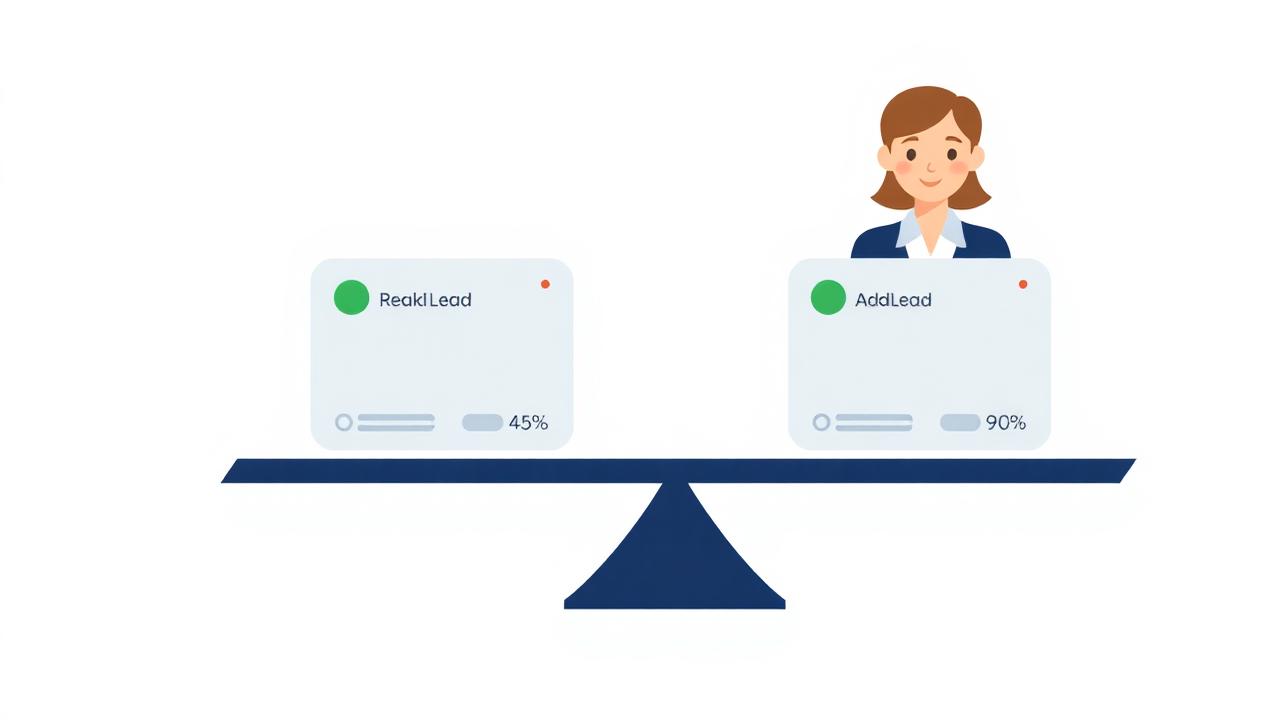
The real-time lead produces more policies per hundred contacts. The aged lead produces dramatically lower cost per policy. Which one wins depends entirely on your constraint: budget or volume.
When Real-Time Wins
- You have a fast-response infrastructure. If your CRM auto-assigns leads and agents respond within 5 minutes, real-time leads justify the premium.
- Your vertical is high-competition and time-sensitive. ACA open enrollment and Medicare AEP are windows where real-time leads convert best.
- You have strong closers, not just dialers. Real-time leads require a higher-skilled agent conversation.
When Aged Leads Win
- You're running a high-volume operation. At $0.20 per record, you can buy 7,500 aged leads for the cost of 100 real-time leads.
- Your follow-up system is strong. Aged leads often require 6–9 touch points before conversion.
- You're working final expense with experienced closers. This demographic shops slowly and a patient, persistent follow-up strategy wins.
The Blended Strategy Most Top Operations Use
The most effective approach isn't either/or. It's a tiered system:
- Tier 1: Real-time leads — 10–20% of budget, worked by your top 1–2 agents within 5 minutes of delivery.
- Tier 2: Fresh aged leads (30–90 days) — 40–50% of budget. Best balance of cost and intent.
- Tier 3: Deep aged leads (90–180 days) — 30–40% of budget, worked with a multi-touch nurture sequence.
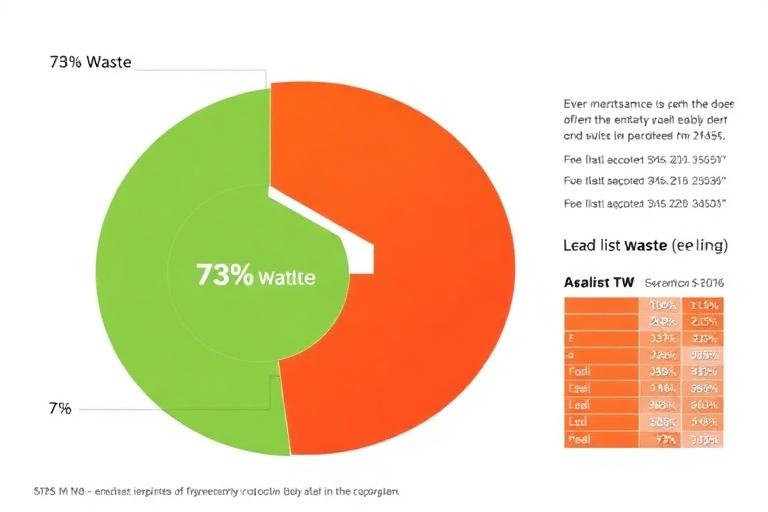
All three tiers require DNC verification and active number checks before any dial. Aged leads in particular accumulate dead numbers — a 6-month-old list without re-verification can have a 25%+ dead number rate.
References
- Harvard Business Review. (2011). The Short Life of Online Sales Leads. James Oldroyd et al.
- InsideSales.com / Xant. (2012). Lead Response Management Study.
- LIMRA. (2022). Insurance lead lifecycle and follow-up effectiveness.