Here's a scenario that plays out in insurance agencies every week. An agent finds a lead vendor online. The website says "TCPA compliant," "verified leads," and "fresh data." The price looks good. They buy 5,000 records. Three days into the campaign, the contact rate is 8% — way below expectation. Dead numbers everywhere. Two prospects answer and immediately say "I've been called about this six times this week."
The 12 questions below would have exposed every problem in that scenario before a dollar changed hands.
The 12 Questions — and What the Answers Should Sound Like
Question 1: When was this data last verified — and what exactly was verified?
The correct answer specifies: a verification date within the last 30–60 days, and at minimum: carrier lookup (line type), active status check, and DNC scrub. Red flag: "Our data is continuously updated" without a specific date.
Question 2: What is your average contact rate on this type of list?
Ask for a number range from the last 30 days. A realistic contact rate for a well-maintained mobile insurance lead list is 35–65%. If they claim 80%+ universally, they're selling expectations.
Question 3: How many times has each lead in this list been sold?
The answer you want: "This is a standard lead — not resold while you're working it. Exclusive option available." The answer that should end the conversation: "We don't track resale counts."
Question 4: How was consent captured for these leads?
For any ATDS campaign targeting mobile numbers, you need prior express written consent that names your company (FCC 23-107, effective January 2025).[1] Red flag: "All leads are TCPA compliant" with no further detail.
Question 5: Can I see a sample CSV before I buy?
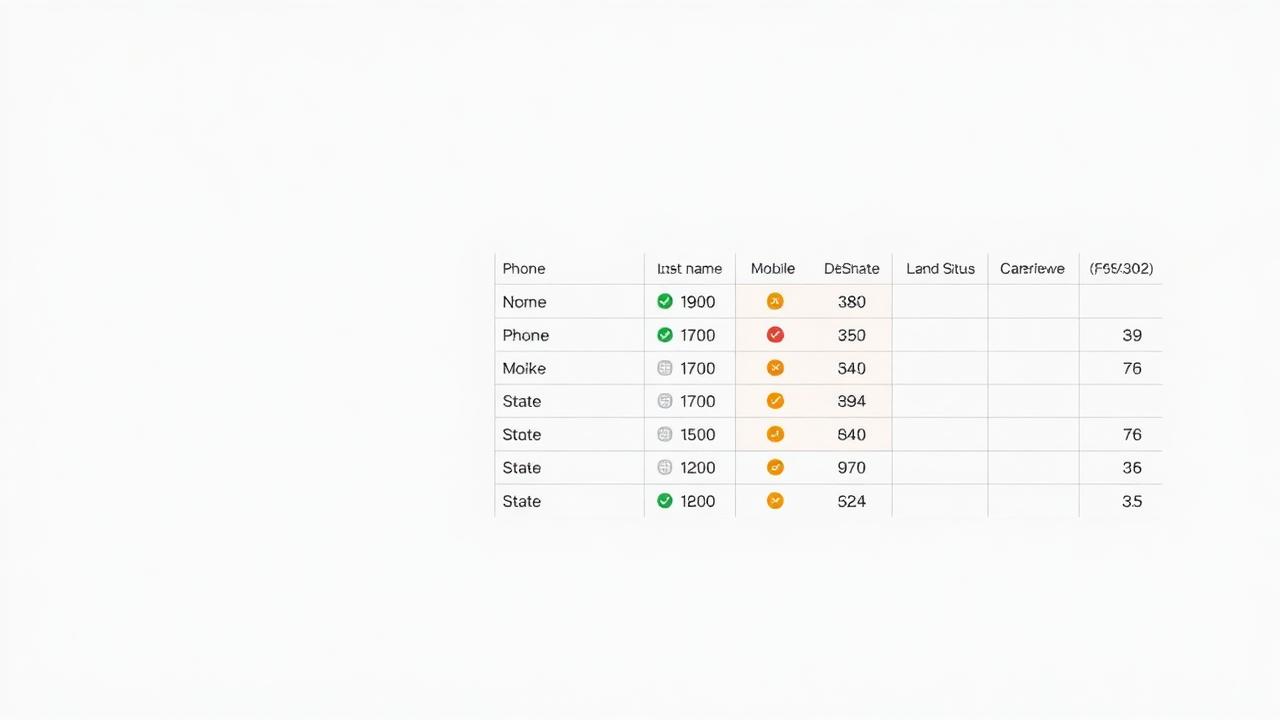
Any reputable vendor will provide 5–10 sample records with all fields included. Red flag: A sample that contains only name, phone, and state.
Question 6: What is your refund or replacement policy for disconnected numbers?
The industry standard for quality vendors is a credit or replacement for records that fail active status within 7–14 days. Red flag: "All sales final" or "data is accurate at time of delivery."
Question 7: Do you scrub against state DNC lists, or only the federal registry?
The correct answer: both. Seventeen-plus states have their own DNC lists. A federal-only scrub leaves significant exposure in high-enforcement states like Florida (68,000+ DNC complaints in FY2023).[2]
Question 8: Do you maintain a TCPA litigator suppression list?
The answer you want: "Yes, we cross-reference every record against our litigator database before delivery." If they don't know what a litigator list is, reconsider the vendor entirely.
Question 9: What is your data source — where did these leads originally come from?
Legitimate sources include: opt-in web forms from content marketing or comparison sites, inbound call data, survey responses, and public records with verification overlay. Red flag: Vague answers about "proprietary databases."
Question 10: What is your average client retention rate?
This is a proxy question for lead quality. Vendors with genuinely high-quality leads have high retention — agents come back because the leads work.
Question 11: What format is the data delivered in, and how quickly?
Standard delivery is CSV within minutes of purchase, with all field headers clearly labeled. Red flag: Custom formats that require their proprietary platform to use, or delivery delays of 24–48 hours.
Question 12: What happens if I receive a TCPA complaint from one of your leads?
A vendor who stands behind their data will have a process: review the consent documentation for the specific record, provide it to you, and potentially share liability if the consent was defective on their end.
The One Question That Tells You the Most
If you can only ask one question before a purchase, ask question 3: How many times has each lead been sold? A vendor who says "we don't track that" is not running a quality data operation. A vendor who gives you a specific, honest answer — even if that answer is "standard leads can be resold after 14 days, exclusive option available" — is operating transparently. Transparency under pressure is the best proxy for data quality available to you before the first dial.
References
- Federal Communications Commission. (2024). FCC 23-107. One-to-one consent requirement for ATDS calls.
- Federal Trade Commission. (2023). National Do Not Call Registry Data Book FY 2023.