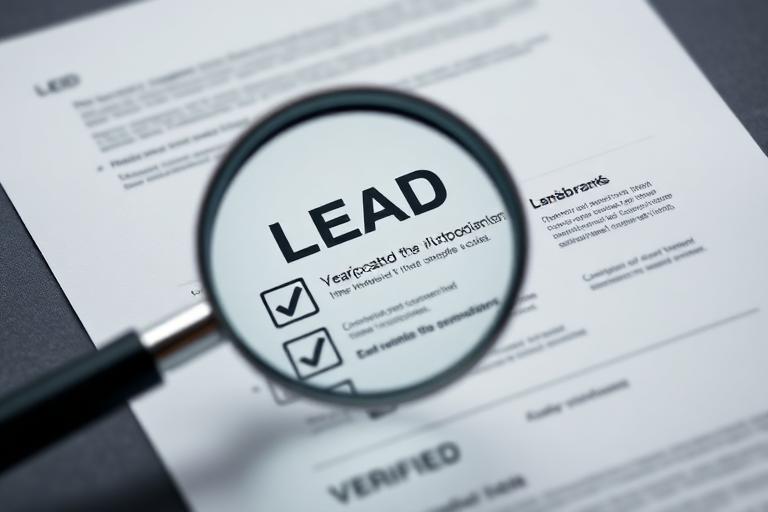
Every lead vendor on the internet claims their leads are "verified." Freshly verified. Triple-verified. Human-verified. The word has been used so many times without any agreed-upon standard that it has essentially become meaningless — a marketing word, like "premium" on a bag of dog food. The only thing "verified" means is what you can get the vendor to define in writing.
The Five Things That Can Be 'Verified' — and Why Each One Matters Differently
1. Phone Number Active Status
The most basic verification: is this number still in service? A carrier lookup confirms whether a number can receive calls at all. This is table stakes — any vendor who doesn't do this is selling you list weight, not leads.
2. Line Type (Mobile vs. Landline vs. VoIP)
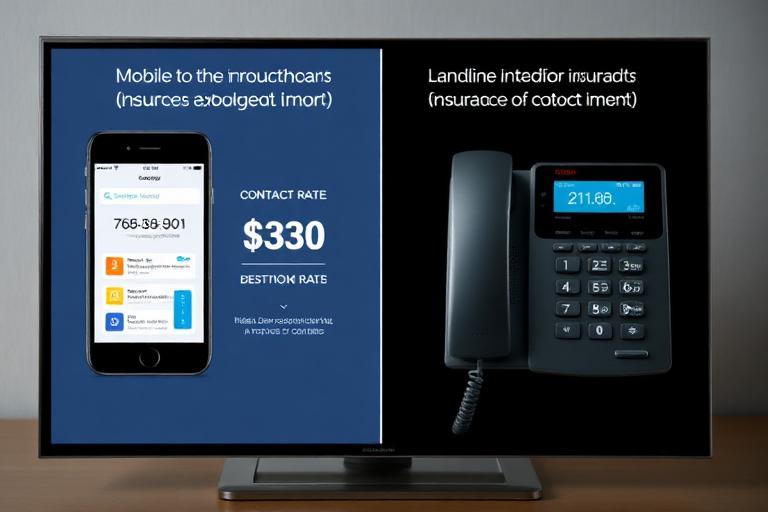
As covered in our mobile vs. landline guide, knowing line type matters both for contact rate strategy and TCPA compliance. A vendor who says "mobile-verified" should confirm the carrier lookup was done in real time at delivery.
3. DNC Registry Status
Was this number checked against the National DNC Registry — and how recently? "DNC-checked at compilation" for a list that's now 45 days old means nothing; the 31-day cycle has already expired.[2]
4. Consumer Intent Verification
This is where "verified" most often gets abused. A vendor says their leads are "verified intent" — meaning the consumer actually indicated interest in insurance. But how? Did a human call and confirm? Did the consumer respond to a specific ad? "Verified intent" means nothing without a clear methodology.
5. Identity and Contact Information Accuracy
Is the name attached to this phone number actually the person who lives there? This kind of verification requires third-party data append — matching the lead to public records and credit bureau data.
The 12 Questions to Ask Every Lead Vendor — Before You Pay
- What does "verified" specifically mean for your leads? What was checked, and by what method?
- When was the DNC scrub performed? What was the registry download date used?
- When was the line type verified? Was it done at delivery or at list compilation?
- What percentage of your lists are mobile numbers?
- How old is this data? When was the original lead captured?
- Has this lead been sold before? If so, to how many buyers?
- What is your average contact rate? Can you show me data from the past 30 days?
- How was intent captured? Web form, inbound call, survey response, or third-party data append?
- What consent documentation is included? Who is named as the calling party?
- What is your refund policy for disconnected numbers? For DNC-registered numbers that weren't scrubbed?
- Can I see a sample report showing the fields included with each lead?
- What's your average client retention rate?
Red flags in vendor answers: vague answers like "we use proprietary verification systems," refusal to show sample data, no refund policy for disconnected numbers, or claiming "all numbers are 100% TCPA compliant."
What Honest Vendors Will Tell You
A reputable vendor should tell you: the date the list was last DNC-scrubbed, the method of line type verification, the age of the data, the number of times each lead has been sold, and what consent documentation accompanies the leads.
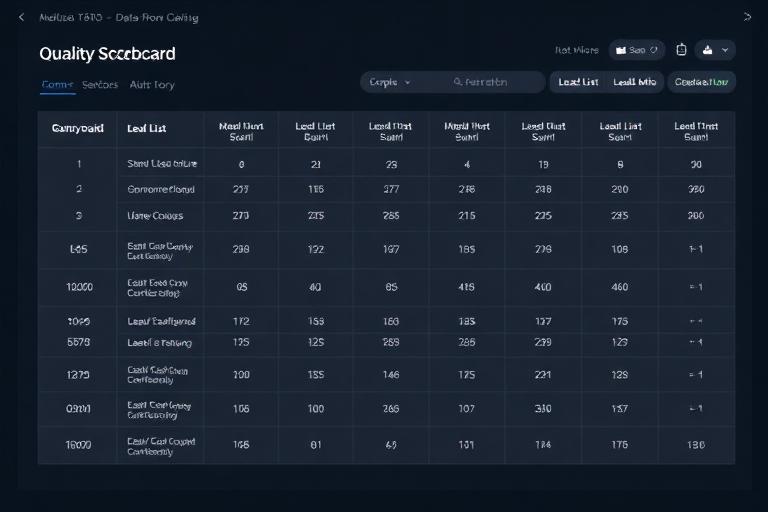
At Sky Net, every lead record includes the DNC check date, line type verification date, active status confirmation, and consent documentation details. Browse the marketplace and inspect the data before you buy →
References
- National Center for Health Statistics. (2024). Wireless Substitution Estimates. CDC.
- Federal Trade Commission. (2023). Telemarketing Sales Rule, 16 C.F.R. § 310.4(b)(3)(iv). DNC registry must be accessed within 31 days of any call.